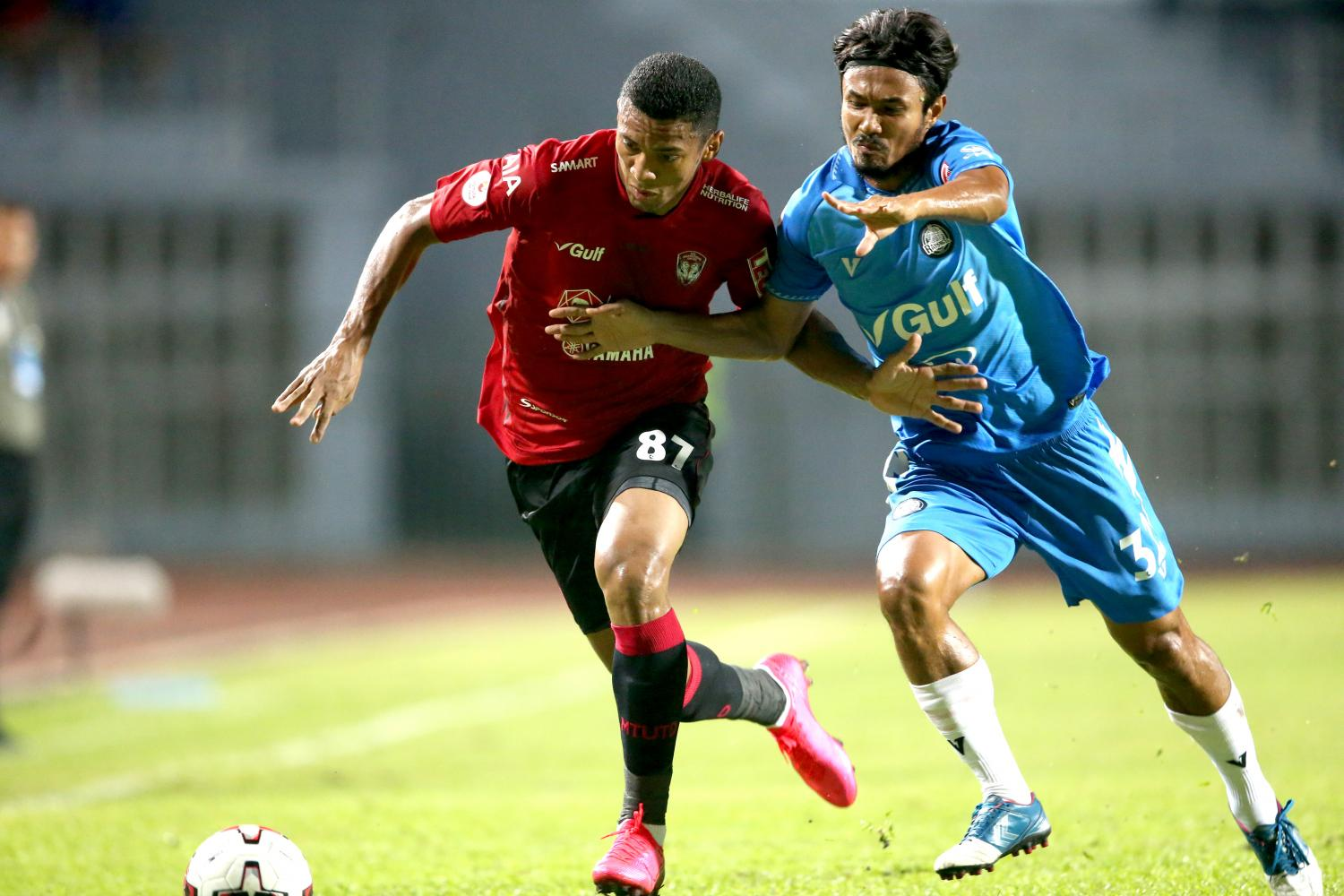
Some Thai League teams in the 2020/2021 season developed a clear behavioral pattern: slow starts followed by strong late-game scoring bursts. This is not simply a matter of fitness or luck. It reflects deeper structural tendencies in pacing, tactical adaptation, and opponent fatigue. For live bettors, these patterns create timing-based opportunities that are invisible in pre-match analysis.
Why Some Teams Consistently Start Slow
Slow starts often originate from conservative early tactics. Teams may prioritize defensive stability or gradual buildup instead of immediate attacking intent. The cause is risk aversion in the opening phase, especially against unpredictable opponents.
The outcome is reduced attacking presence early in matches. Opponents gain territorial control, and scoring chances remain limited. The impact is that these teams frequently enter halftime without leading, even when they are stronger overall.
The Tactical Shift After Halftime
The real change typically occurs after halftime adjustments. Coaches identify weaknesses and increase attacking intensity, either through substitutions or structural changes.
This shift alters match dynamics. The cause is deliberate tactical recalibration. The outcome is increased tempo, more direct play, and higher shot frequency. The impact is a surge in goal probability during the final 30 minutes of the match.
Identifying Reliable Late-Scoring Teams
Not all teams that score late do so consistently. The key is identifying repeatable indicators rather than reacting to isolated comebacks.
Before targeting live betting opportunities, bettors should assess:
- Goal distribution skewed toward the second half.
- Strong bench depth enabling impactful substitutions.
- Fitness levels that allow sustained intensity late in matches.
- Tactical flexibility shown across multiple fixtures.
- Opponent drop-off patterns in later stages.
These indicators matter because they reveal structural causes behind late goals. When multiple factors align, late scoring becomes predictable rather than coincidental. The impact is improved confidence in timing-based betting decisions.
How Match Flow Creates Comeback Conditions
Comebacks are not random events; they follow a buildup of pressure and opportunity. Teams that start slow often accumulate positional advantage over time, even if they do not score early.
Sequence Leading to Late Goals
The process typically unfolds in stages:
- Gradual increase in possession and territorial control.
- Opponent defensive fatigue reducing compactness.
- Tactical substitutions increasing attacking efficiency.
The cause is cumulative pressure. The outcome is defensive breakdowns in later phases. The impact is a higher likelihood of late goals, often within a short time window.
Market Delays in Recognizing Momentum Shifts
Live betting markets adjust continuously, but they do not always react immediately to underlying momentum. This creates short-lived inefficiencies.
Observation suggests that when momentum shifts gradually rather than through sudden events, pricing adjustments lag behind actual match conditions. Within systems connected to ufabet168, this delay can appear when a team increases pressure without scoring immediately. The market waits for a goal confirmation, while underlying indicators already point toward a high probability of one.
When Late-Game Patterns Fail
Despite strong trends, not every match follows the expected trajectory. Certain conditions disrupt late-game scoring patterns.
Common failure scenarios include:
- Opponents scoring first and shifting into deep defensive blocks.
- Ineffective substitutions that fail to change attacking structure.
- Matches with low overall tempo limiting chance creation.
- External factors such as weather slowing the game.
These situations matter because they interrupt the buildup required for late goals. The impact is that teams may dominate possession without converting it into meaningful chances.
Comparing Early vs Late Betting Opportunities
Understanding the contrast between early and late phases helps refine strategy. Different timing windows require different analytical priorities.
Before choosing when to engage, consider these differences:
- Early phase: Limited data, higher uncertainty, lower scoring probability.
- Mid-game: Emerging patterns, moderate adjustment opportunities.
- Late phase: Clear momentum signals, higher scoring likelihood.
- Risk profile: Decreases as match information increases.
- Market efficiency: Improves over time but still lags behind subtle momentum shifts.
These distinctions highlight why late-game betting aligns better with slow-start teams. The impact is a more controlled decision-making process based on observable trends.
Alternative Interpretations of Risk and Timing
Timing-based betting requires interpreting dynamic information, which differs from static probability environments. Some bettors prefer contexts where outcomes are predefined rather than evolving.
This contrast becomes clear when comparing football analysis with systems associated with a casino online, where probabilities remain constant regardless of external factors. In live football betting, especially with late-scoring teams, outcomes depend on momentum, fatigue, and tactical adaptation, making timing the central variable.
Summary
Thai League 2020/2021 teams that start slowly but score late exhibit repeatable patterns driven by tactical adjustments and opponent fatigue. These tendencies create valuable opportunities in live betting, particularly in the later stages of matches. Recognizing momentum shifts and understanding when patterns fail allows for more precise and informed decisions.