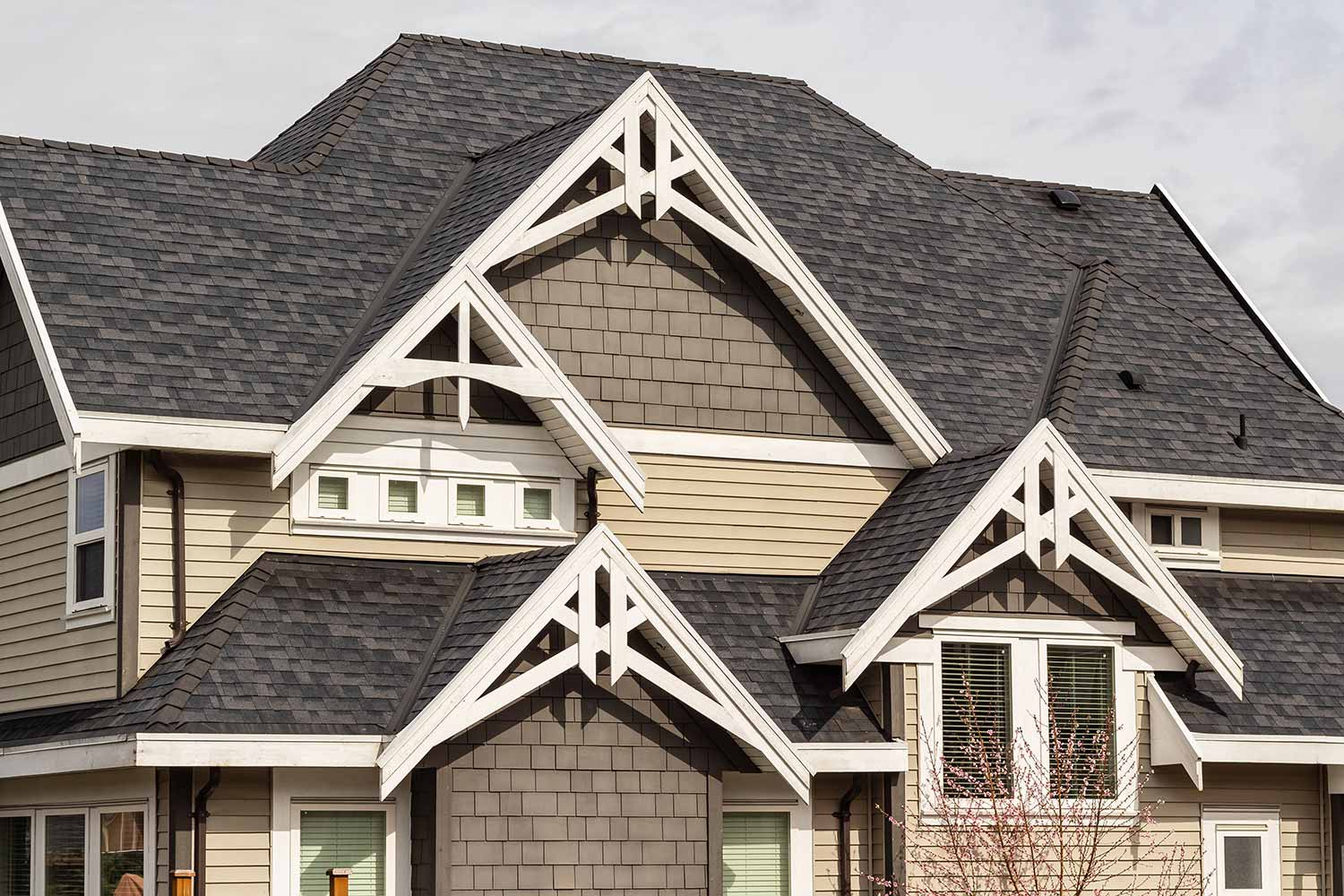
Hail Season Starts Before You Think
Most Calgarians think of hail as a July problem. In reality, damaging hailstorms can start as early as late May, and the transition from spring maintenance mode to storm readiness mode is shorter than most homeowners realize. The question facing every Calgary homeowner this spring is whether their roof, in its current condition, is ready to take a hit.
This is not hypothetical. Calgary sits in the most active hail corridor in Canada. The 2020 hailstorm caused over $1.2 billion in insured losses. Events of that magnitude are not annual, but damaging hailstorms that crack shingles, dent flashing, and overwhelm aging roofs happen with regularity. If your roof is already weakened by winter damage or approaching the end of its service life, a moderate hailstorm can push it from “needs attention” to “needs replacement” overnight.
Five Indicators Your Roof Is Vulnerable
Not every roof is equally at risk. A five-year-old Class 4 impact-rated roof handles hail very differently than a 22-year-old builder-grade installation. Here are the indicators that your roof may not survive the next hail event intact.
First, age. If your asphalt shingles are 15 years or older, the material has lost flexibility and impact resistance. Shingles that could absorb a hailstone impact at year five will crack at year 20 because the asphalt has dried and become brittle.
Second, granule loss. Run your hand across a shingle. If granules come off easily, the surface is degraded. Thin granule coverage means less cushioning when hail hits. You can also check your gutters — heavy granule accumulation indicates advanced surface wear.
Third, existing damage. Shingles that already have cracks, lifted edges, or missing tabs have compromised structural integrity. Hail landing on pre-damaged shingles causes dramatically more harm than the same impact on intact material.
Fourth, previous hail history. If your roof has been through one or more hail events without being replaced, the existing damage may be more extensive than it appears. Each successive storm compounds the deterioration.
Fifth, material grade. Standard three-tab shingles and builder-grade architectural shingles are significantly more vulnerable to hail than Class 4 impact-rated products. If you are not sure what is on your roof, a professional roof inspection in Calgary goes beyond what you can see from the ground
What a Pre-Season Assessment Should Cover
A professional pre-hail-season assessment goes beyond what you can see from the ground. A qualified roofer gets on the roof and evaluates shingle condition at close range, checking for bruising, cracking, adhesive failure, and granule coverage across the full surface.
They also check flashing, vent boots, ridge caps, and the overall integrity of every component that could be further damaged by impact. The assessment should include a realistic estimate of remaining life, a recommendation on whether any pre-season repairs would improve resilience, and an honest conversation about whether the roof can realistically survive another hail season or whether replacement should happen before storm season starts.
The Insurance Factor
Your insurance position is part of this calculation. If your roof sustains hail damage, the claim process and the payout depend heavily on the pre-existing condition of the roof. Adjusters distinguish between new hail damage and prior deterioration. A roof that was already showing widespread wear will receive a lower payout than one that was in good condition before the storm.
Additionally, many Alberta insurance policies now include percentage-based hail deductibles rather than flat-dollar amounts. On a home insured at $600,000 with a five percent hail deductible, you are paying the first $30,000 out of pocket before insurance covers anything. If the total roof damage comes in at $18,000, insurance pays nothing.
Understanding your coverage before hail season — not after — lets you make informed decisions about whether pre-season investment in your roof is financially justified.
Class 4 Shingles — The Upgrade That Changes the Equation
If you are replacing your roof this spring, Class 4 impact-rated shingles are worth serious consideration for any Calgary home. These products are tested by dropping a two-inch steel ball from 20 feet. Shingles that do not crack earn the Class 4 designation.
In practice, Class 4 shingles survive moderate hailstorms with minimal or no damage. They cost roughly 10 to 20 percent more than standard architectural shingles, but that premium is offset by reduced damage risk and, in many cases, an insurance premium discount that some Alberta insurers offer for verified Class 4 installations.
Do Not Gamble With the Timeline
The window between spring maintenance season and hail season is narrow. If your roof is vulnerable and you know it, acting now gives you control over the timing, the contractor selection, and the budget. Waiting until a storm forces the decision means competing with hundreds of other homeowners for limited contractor availability, making decisions under stress, and potentially paying surge pricing for emergency work.
A 30-minute professional assessment this spring is the cheapest way to answer the question. Either your roof is ready for another season, or it is not. Knowing the answer before the first thunderstorm is worth far more than hoping for the best.
Angel’s Roofing offers free pre-season roof assessments for Calgary homeowners who want to know exactly where they stand before hail season hits. Their team inspects the full surface, gives you a straight answer about your roof’s readiness, and if replacement is the right call, they carry multiple Class 4 impact-rated products designed specifically for Calgary’s climate. Getting ahead of the season is always smarter than reacting to it.
What Happens During and After a Hailstorm
Understanding the post-hail process helps you respond effectively. During the storm, stay inside and away from windows. Do not attempt to go outside or onto the roof until the storm has fully passed and conditions are safe.
After the storm, begin documentation from the ground. Photograph every visible sign of damage — the roof, siding, gutters, downspouts, windows, vehicles, landscaping, and any outbuildings. Wide shots for context and close-ups for detail. Note the date, time, approximate duration, and your estimate of hail size. This documentation becomes the foundation of your insurance claim.
Contact your insurance company within 24 to 48 hours to open a claim. Alberta policies typically have time limits for reporting storm damage, and delays can complicate or reduce your payout. Have your policy number ready and provide a general description of the damage you observed.
Before the adjuster arrives, get an independent estimate from a reputable local roofing company. A professional roofer will identify damage you missed — bruised shingles that look intact from the ground but have lost structural integrity, hairline flashing cracks, compromised vent boot seals. Their detailed estimate gives you a documented baseline for comparison if the adjuster’s number comes in low.
The Storm Chaser Problem
Within days of any significant hailstorm, Calgary gets flooded with out-of-town contractors knocking on doors. Some are legitimate companies expanding their service area. Many are not. The pattern is predictable: high-pressure sales tactics, large upfront deposits, rushed work by transient crews, and a phone number that stops working six months after the job.
Protect yourself by requiring the same credentials from every contractor: a valid municipal business licence in Calgary, current commercial general liability insurance, active WCB coverage, and verifiable local references. If they cannot produce all four within 24 hours, move on. The convenience of a quick decision is not worth the risk of a contractor who will not be around when the warranty matters.
Impact-Resistant Shingles in Detail
Class 4 shingles are manufactured with a modified asphalt formulation and a reinforced mat that resists cracking on impact. The UL 2218 test protocol drops a two-inch steel ball from 20 feet onto the shingle surface. Products that do not crack earn the Class 4 rating.
In practice, this means Class 4 shingles survive moderate hailstorms — the kind that would crack standard shingles — with minimal or no damage. They are not indestructible, and extreme hail events can still cause damage, but the threshold for failure is dramatically higher.
Major manufacturers offering Class 4 options include CertainTeed, GAF, IKO, and Malarkey. Products like the CertainTeed Landmark IR, GAF Timberline HDZ, and Malarkey Highlander are specifically designed for high-impact environments like Calgary. The cost premium over standard architectural shingles is modest relative to the protection they provide and the insurance savings they can generate.
The Peace of Mind Calculation
There is a financial argument for hail readiness and there is a practical one. Knowing your roof is prepared for storm season — that winter damage has been repaired, that the material is capable, that your insurance coverage is understood, and that you have a contractor relationship in place — changes how you experience summer in Calgary. Instead of watching every dark cloud with anxiety, you watch it with the confidence that comes from preparation. That peace of mind is part of the return on the time and money you invest in spring readiness.
About Angel’s Roofing — Calgary’s Hail Damage Prevention Team
Hail season waits for no one, and a roof that is already compromised going into summer is a roof that is one storm away from serious failure. Angel’s Roofing provides pre-season hail readiness inspections designed specifically for Calgary homeowners who want to know — before the first storm hits — whether their roof can handle the impact. We assess shingle integrity, identify prior hail damage, and recommend targeted repairs or upgrades that make the difference when it counts. Get storm-ready at www.angelsroofing.ca.