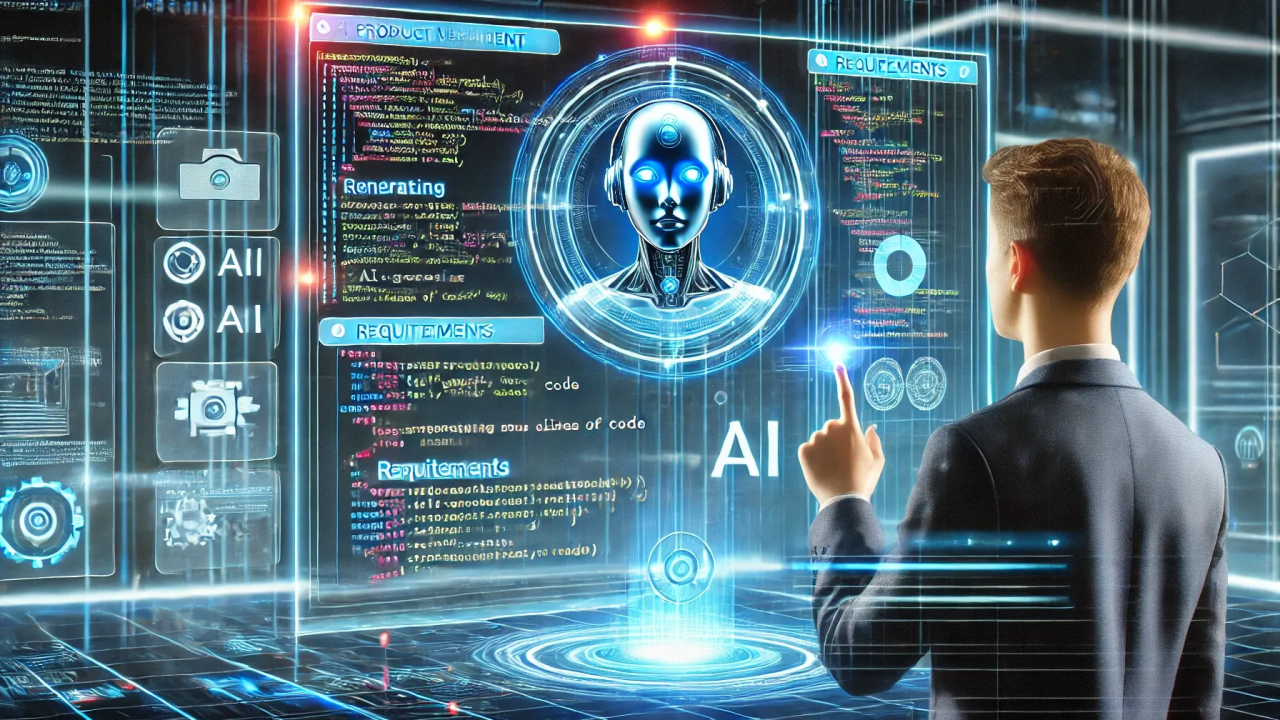
The landscape of software engineering is shifting under our feet. If you’ve spent any time in a computer science lab lately, you’ve likely seen the buzz surrounding Generative AI and automated coding assistants. It’s no longer just about memorising syntax; it’s about understanding how to steer the ship in a sea of automated scripts. For students in Australia and abroad, this evolution brings a mix of excitement and a fair bit of “tech-anxiety.”
How do you stay relevant when an AI can churn out a Python script in seconds? The secret isn’t in competing with the machine—it’s in mastering the standards that the machine hasn’t quite grasped yet.
The New Reality of Modern Coding
In the past, a student’s primary hurdle was learning the “grammar” of a language like C++ or Java. You’d spend hours debugging a missing semicolon. Today, AI tools can fix that semicolon before you even realise it’s gone. However, this ease of use is a double-edged sword.
While AI speeds up the “doing,” it doesn’t always help with the “thinking.” Professional code standards are leaning more heavily toward security, scalability, and ethical implementation. For a student, this means your value is shifting from being a “coder” to being a “system architect.” You need to know why a piece of code works, not just that it does work.
Why Fundamentals Matter More Than Ever
It might feel tempting to let an AI assistant handle your entire project, but relying too heavily on automation without a solid foundation is a recipe for disaster. Think of it like a calculator: it’s a brilliant tool, but if you don’t understand basic arithmetic, you won’t know when the calculator gives you a nonsense answer.
Industry standards now require developers to vet AI-generated code for “hallucinations”—instances where the AI makes up functions that don’t exist or introduces massive security holes. If you find yourself overwhelmed by these shifting requirements and need help with assignment structures, it’s vital to seek out mentors or resources that prioritise these core principles over quick shortcuts.
Navigating Australia’s Tech Industry Standards
Down under, the tech sector is booming, but employers are becoming increasingly picky. Companies in Sydney, Melbourne, and Brisbane aren’t just looking for someone who can “prompt” an AI. They want graduates who understand the Australian Signals Directorate (ASD) Essential Eight or how to build software that respects local privacy laws.
Bridging the Gap Between Classroom and Workplace
University curriculums are trying to keep pace, but the “real world” moves at breakneck speed. Students often find themselves stuck between theoretical academic requirements and the practical, AI-integrated workflows of modern startups.
To bridge this gap, you should focus on:
- Code Review Skills: Learn to read code as well as you write it.
- Version Control: Mastering Git is non-negotiable.
- Unit Testing: Writing tests to prove your code is robust.
If you are struggling to balance these high-level industry expectations with your current coursework, getting professional programming assignment help can provide a clear roadmap. Seeing how experts structure a project according to current Australian standards can be a massive leg-up for your own learning journey.
The Human Element: Where AI Falls Short
There is a specific kind of “human” logic that AI still struggles to replicate: empathy and context. Software isn’t built in a vacuum; it’s built for people. Whether it’s an app for a local cafe or a massive government database, understanding the user’s needs is a uniquely human trait.
Ethical Coding and Responsibility
As we move further into AI-driven development, the “Experience” and “Expertise” of a developer are measured by their ability to make ethical choices. Should this algorithm collect this much data? Is this AI model biased against certain groups? These are the questions that will define the next generation of top-tier developers.
Students who can demonstrate a deep understanding of “Trustworthiness” in their code—ensuring it is secure, private, and fair—will always find themselves at the top of the pile during job interviews.
How to Future-Proof Your Learning Journey
So, how do you actually keep up? It’s about a balanced diet of traditional study and modern tool usage.
- Deconstruct AI Suggestions: Every time an AI suggests a block of code, pull it apart. Why did it choose a for loop over a map function?
- Focus on System Design: Spend more time drawing diagrams and planning the “flow” of your data than typing the actual lines.
- Stay Informed on Documentation: Documentation is the “source of truth.” AI models are often trained on outdated data. If a language library updates today, the AI might not know about it for months. You, however, can read the latest release notes.
Collaboration is Key
Don’t be a lone wolf. The “Australian way” often emphasises “mateship” and collaboration. Join coding circles, participate in hackathons, and engage with online communities. When you collaborate with others, you see different perspectives on problem-solving that a machine simply cannot offer.
Conclusion
The shift to AI-driven development isn’t the “end” of the programmer; it’s the evolution of the role. By focusing on high-quality standards, deep foundational knowledge, and the ethical implications of your work, you aren’t just keeping up—you’re leading the charge.
The goal for any 12th-grade or university student should be to use these tools to enhance their capabilities, not replace their curiosity. Keep questioning, keep building, and most importantly, keep your human touch at the heart of everything you create.