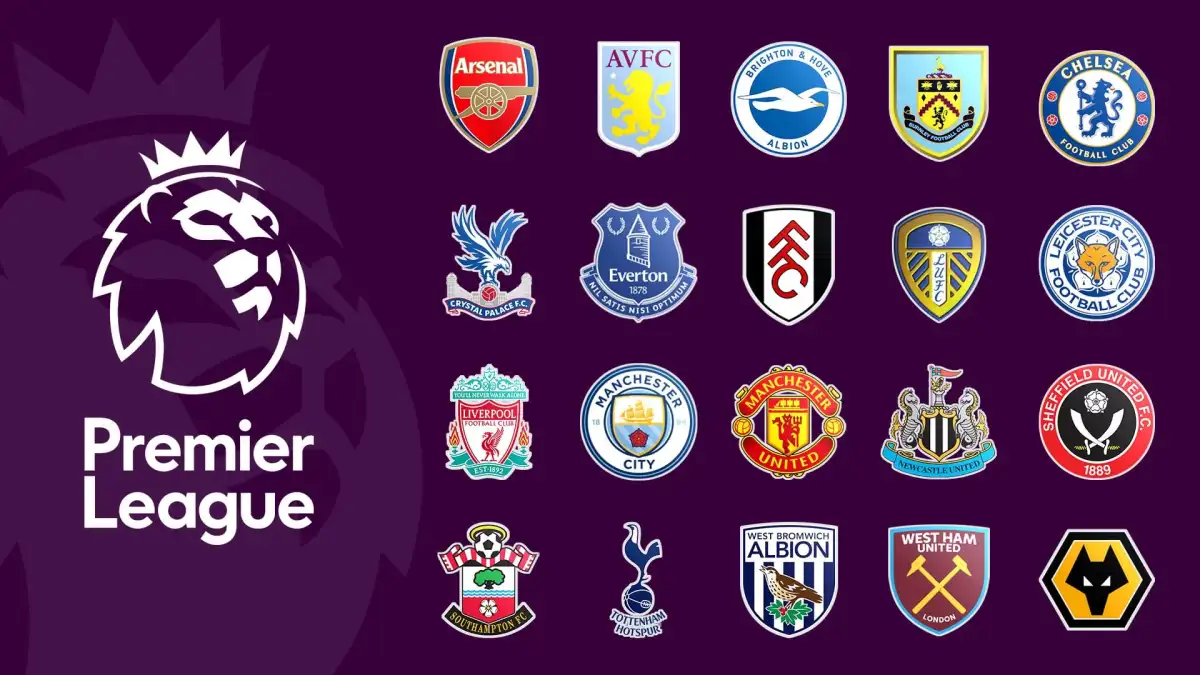
Most bettors instinctively gravitate toward famous Premier League clubs, yet the teams that deliver long-term profit across a season are often very different from those that dominate headlines and social media feeds. Understanding why that gap exists and how to exploit it is the core skill that separates recreational punters from value-driven bettors. This article focuses on value-based betting in the 2024/25 Premier League season, exploring where reputation drives odds out of line with reality and which types of teams quietly become “money-makers” for disciplined bettors.
Why “Big Club” Popularity Rarely Aligns with Betting Value
Global clubs such as Liverpool, Arsenal, Manchester City, Chelsea and Manchester United attract huge betting volume simply because they are famous, heavily televised, and loaded with high-profile players. Bookmakers know this, so they shade prices slightly against these public sides, meaning backers often pay a premium—shorter odds than the team’s true win probability justifies. Over a 38-game season, even a strong champion can become unprofitable to back blindly because the edge is already priced out by public demand and constant media hype.
How Odds Turn Reputation into Overpricing
Odds do not only reflect underlying football strength; they also encode market sentiment and betting flows, especially when emotionally driven money pours in on a famous shirt. When the public piles onto a big name, bookmakers adjust the line to balance action, shortening the favorite and lengthening the less glamorous opponent, even if the underlying probabilities haven’t changed much. The result is that the “big club” becomes a systematically expensive asset to back, while their mid-table or unfashionable rival can quietly become a positive expected-value proposition when the price drifts beyond its true risk level.
Mechanism: From Public Money to Value Edge
In the Premier League, public sentiment tends to follow recent scorelines, star performances and league-table position, which pushes more stakes onto the most visible teams each matchday. Once that flow becomes one-sided, traders and automated models respond by trimming the favorite’s odds, often more than the underlying data alone would warrant. At that moment, the value-based bettor does not ask “Who is more likely to win?” but “Which side is now mispriced relative to its true chance?”, a shift in framing that is essential to finding money-making teams rather than just famous ones.
What the 2024/25 Table Reveals About Perception vs Profit
The final 2024/25 table confirms that on-pitch success and betting profitability are not perfectly aligned. Liverpool finished as champions, with Arsenal, Manchester City and Chelsea completing a top four that matches pre-season expectations about elite squads and wage bills. However, below that top cluster, clubs such as Newcastle, Aston Villa, Nottingham Forest, Brighton, Bournemouth and Brentford occupied positions where the market’s pre-season respect often lagged behind their actual output through wins, goals scored and competitive performances against higher-status opposition.
Profiles of “Money-Making” Teams in 2024/25
Value-oriented bettors usually find their edge in sides that combine solid performance metrics with relatively low hype, a pattern that appeared with Nottingham Forest’s rise into European contention and Brentford’s and Bournemouth’s strong attacking numbers. These clubs were often priced as underdogs or marginal outsiders even at home against supposedly superior opponents, creating repeated situations where their odds overstated the risk compared with their true competitiveness. Over the season, backing such teams only when the price exceeded a conservative estimate of their win or draw probability could generate profit even without guessing every result correctly.
Example: Public-Favourite vs Quiet Profitable Side
A common pattern in 2024/25 involved a big-name visitor—say, one of the traditional top three—travelling to a mid-table side with strong home numbers and efficient attack. The public overwhelmingly backed the famous club, compressing its odds, while the home team’s price drifted to a level that implied a much lower chance than recent performance and underlying metrics suggested. Bettors who focused on value rather than badge prestige could repeatedly side with the home team or take a cautious double-chance position, harvesting profit across the season even though some of those bets inevitably lost.
When Famous Teams Still Become Profitable
A big club can become a money-making team, but usually under specific conditions that temporarily disconnect reputation from price. Early in the season, when models and public perception are still anchored to the previous year, a champion-level side that improved tactically or added key players may be undervalued until results fully adjust expectations. Alternatively, a major club in a short-term slump may see its odds lengthen to the point where the underlying quality and regression-to-the-mean arguments justify backing them despite negative headlines.
Reading Market Signals Through a Value-Based Lens
For bettors prioritising value, the main task is not predicting who finishes first but detecting when odds diverge from a reasonable probability estimate based on performance data, injuries, schedule congestion and tactical matchups. In 2024/25, this meant regularly questioning whether Liverpool or Arsenal’s quoted prices were too short away to resilient sides, or whether mid-tier clubs with consistent underlying numbers were offered at generous odds simply because they lacked global fanbases. By consistently asking where the market might be overreacting—positively or negatively—to recent results, value-driven bettors could identify which teams drifted into “money-making” territory over different stretches of the season.
How a Major Betting Destination Fits into This Logic (UFABET)
In practical terms, many bettors encounter the tension between famous clubs and profitable choices through the pricing and markets available in their preferred online environment, where presented odds, bet types and live adjustments all shape decision-making in real time. When a bettor logs into ufabet เข้าสู่ระบบ, the structure of match listings, highlighted fixtures and promotional odds can subtly reinforce the appeal of big-name teams, encouraging multiples and accumulator bets centred on popular favourites rather than on carefully selected value positions. A value-focused approach in that setting involves consciously resisting the gravitational pull of marquee fixtures, scanning secondary games for mispriced underdogs or overlooked mid-table sides, and treating every selection as an independent investment based on implied probability instead of social popularity.
Distinguishing Between Entertainment-Driven and Value-Driven casino online Usage
Another point of divergence between “team I enjoy watching” and “team that makes money” appears when bettors interact with a broader casino online ecosystem that mixes sports markets with slots, roulette and other high-variance games. The constant presence of fast-cycle wagering options can nudge behaviour toward impulse bets, including emotionally driven stakes on well-known Premier League clubs whose names feel safer than the underlying prices actually justify. Value-based bettors in that environment deliberately slow the pace of their decisions, isolate football markets from pure entertainment products and work from a pre-defined shortlist of fixtures where the odds meaningfully exceed their own conservative probability estimates, even if those matches feature unglamorous sides.
Summary
Across the 2024/25 Premier League season, the gap between “big clubs” and “money-making teams” emerged from pricing dynamics rather than league-table prestige alone. Public demand and emotional attachment kept odds on famous sides systematically compressed, while disciplined bettors found better long-term opportunities in resilient, underappreciated teams whose probabilities were more generous than their results and underlying performance merited. A value-based mindset, applied consistently across different betting contexts, turns the question from “Who is the biggest club?” into “Where is the price wrong?”, which is the only question that matters for profitable wagering over a full Premier League campaign.